Testosterone replacement therapy (TRT) use has grown sharply in the United States in recent years. Prescriptions for the hormone have risen from fewer than 1 million to nearly 12 million between 2000 and 2025, with the largest growth among men in their 20s, 30s, and 40s. This rise has been driven by several factors, including promising new clinical trial data, the expansion of telehealth and direct-to-consumer service models, online cultures focused on physical self-improvement, and high-profile celebrity endorsements. Once considered a fringe treatment for a narrow set of hormonal disorders, TRT has moved into mainstream health and wellness culture.

While there is an expanding body of medical research on the clinical and physiological effects of TRT, far less is known about its social dimensions: why men seek out testosterone in the first place, how they navigate conversations with doctors, partners, and peers, what role online information and telehealth companies play, and how testosterone therapy does or does not reshape their identity, wellbeing, and daily life.
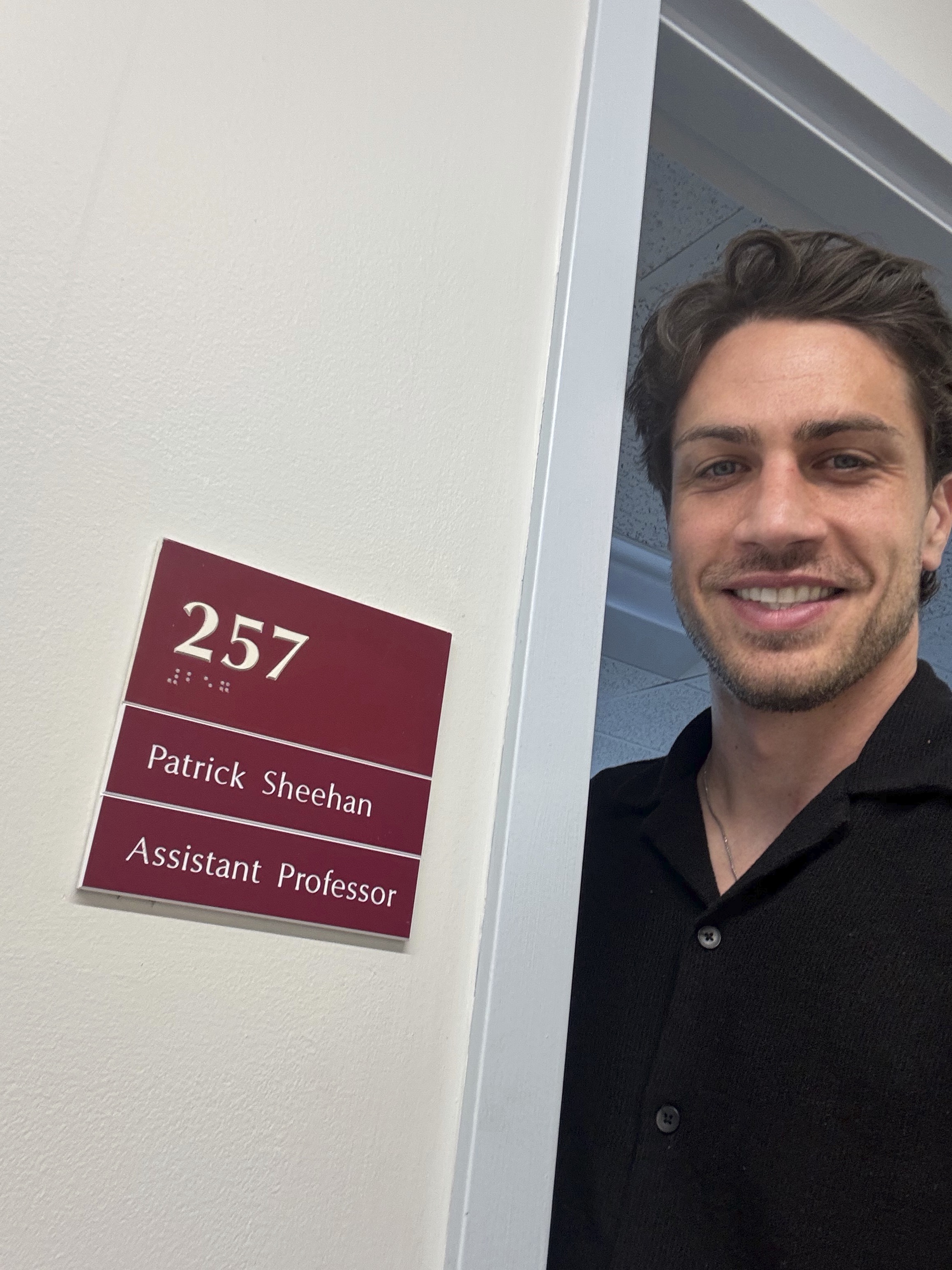
Through the Testosterone and Men’s Health Research Project, Professor Patrick Sheehan of Boston University aims to build a fuller, more human picture of a health practice that is reshaping the lives of millions of American men. Dr. Sheehan is currently collecting data through fully confidential in-depth interviews with men ages 18–50 who have taken or are currently taking testosterone in any form, whether prescribed by a physician or obtained through other means. [This study has been approved by Boston University’s Institutional Review Board.]
If you’re a man in this age range with experience on TRT, your story is valuable for this research. To participate, fill out the form below, or contact Professor Sheehan directly at sheehan5@bu.edu.


